
The Genesis‑to‑Revelation PDF offers a structured journey through Scripture, blending narrative flow with teaching aids. It highlights key moments—from creation to the final vision—while providing lesson plans, visuals, and study prompts for educators and learners alike.!!
Purpose and Scope
The Genesis‑to‑Revelation Bible Study PDF is crafted to guide readers through the entire biblical narrative in a clear, chronological sequence. Its main goal is to offer a single, cohesive resource that connects casual readers with deeper theological insight. By arranging Scripture as a continuous story, the PDF encourages users to trace God’s redemptive journey from the first act of creation to the final revelation of a renewed heavens and earth. This format not only preserves the narrative flow but also highlights thematic threads such as covenant, covenant, faith, and redemption, allowing learners to see how each book contributes to the overarching story.
The scope of the PDF extends across all 66 books of the Bible, offering concise summaries, key themes, and cross‑referential links that illuminate the interconnectedness of the canon. Each section includes study questions, discussion prompts, and suggested visual aids, making it suitable for both individual reflection and group instruction. The 12‑point timeline aligns major events with corresponding passages, providing a scaffold for lesson planning around pivotal moments such as the covenant with Abraham, the Exodus, the ministry of Jesus, and the prophetic visions of Revelation.
Enriched with illustrations, charts, and maps, the PDF caters to diverse learning styles, ensuring that visual, auditory, and kinesthetic learners can all engage with the material. The resource is intended for a broad audience: individual students, teachers, church leaders, and scholars. Its user‑friendly layout, combined with scholarly insight, makes it an indispensable companion for anyone committed to exploring God’s enduring narrative and applying its timeless truths to contemporary life. It also supports collaborative learning

Download and Access
The Genesis‑to‑Revelation PDF is freely downloadable from the official site and major Christian ebook platforms. Users can access a PDF version, view online, or print. The resource is available in multiple formats, ensuring distribution for study groups and classrooms.
Official PDF Availability
The Genesis‑to‑Revelation Bible Study PDF is distributed through the publisher’s official website and trusted Christian retail partners. The primary source is the Whiteboard Bible Study series by G. Allen Jackson, available for purchase or free download at Christianbook.com. Users can click the “PDF Download” link on the product page to obtain a high‑resolution PDF that includes the twelve‑point timeline, chapter summaries, and study questions. In addition, the same material is offered as a free ebook in PDF and plain‑text formats on the author’s website, allowing readers to view the content online or download it for offline study. The PDF is licensed under a standard copyright agreement, ensuring that the text remains authentic and unaltered. For educators, the file can be printed in full or broken into individual lesson modules, while students can use the digital version on tablets or laptops. All versions are compatible with PDF readers on Windows, macOS, iOS, and Android, and the file size is optimized for quick download even on slower internet connections. By accessing the official PDF, users guarantee that they are working with the most accurate and up‑to‑date version of the study guide. The PDF’s design emphasizes clarity, with numbered sections, bold headings, and side notes that highlight cross‑references. It includes a workbook for teachers, providing answer keys and discussion prompts. Users can bookmark pages, annotate,or print chapters for focused study.
Free Online Platforms
For those seeking a no‑cost entry to the Genesis‑to‑Revelation study, several online portals host the full PDF or offer versions. The author’s own site hosts a free download in PDF and plain‑text formats, allowing instant access on any device. Christianbook.com also provides a “read online” option, where the text is paginated and searchable, and users can annotate directly in the browser. Additional platforms such as BibleStudy.org and BibleStudyTools.com host the same material in downloadable form, often bundled with companion worksheets and lesson plans. Many of these sites require a simple email sign‑up, after which the PDF is delivered via a secure link. Users can also find the study on free e‑book repositories like Free‑Ebooks.net, where the file is available in PDF, ePub, and Kindle formats. For mobile learners, the PDF can be opened in apps such as Adobe Acrobat Reader or the default iOS/Android viewer, and the text can be highlighted or saved to cloud services. All platforms maintain the original layout, including the twelve‑point timeline, chapter summaries, and cross‑reference notes, ensuring that the study remains faithful to the source material. Whether you prefer a web‑based read‑through or a downloadable copy for offline use, these free resources provide comprehensive access to the Genesis‑to‑Revelation curriculum without any financial commitment. These resources are updated annually, reflecting new scholarship, compatible with desktop and platforms for learners!!
Structure Overview
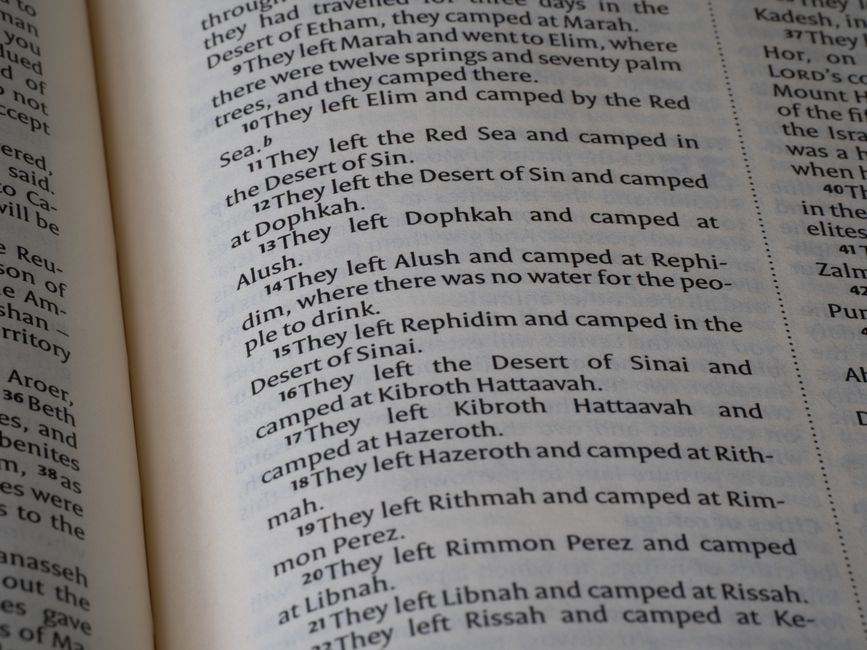
The PDF divides Scripture into 12 thematic milestones, each with chapter summaries, cross‑references, and study questions. It follows the canonical order linking Genesis to Revelation and includes a visual timeline for fast review. This structure supports sequential learning!

12-Point Timeline
Creation & Fall – Genesis 1‑3 establishes God’s perfect creation and humanity’s first disobedience, setting the need for redemption. 2. Promise & Covenant – God’s covenant with Abraham (Genesis 12‑17) introduces the chosen people and the promise of a great nation. 3. Exodus & Law – The Israelites escape Egypt (Exodus 1‑15) and receive the Law at Sinai (Exodus 19‑24), forming the covenantal framework. 4. Conquest & Settlement – Joshua leads the conquest of Canaan; the tribes settle and organize the nation (Joshua‑Judges). 5. Monarchy & Prophecy – Kings David and Solomon build the temple; prophets (Isaiah‑Malachi) call the nation back to covenant fidelity. 6. Exile & Return – The Babylonian exile (2 Kings 24‑25) ends with the return under Ezra and Nehemiah, restoring worship and community. 7. Preparation for the Messiah – New Testament writers (Matthew‑Revelation) interpret Old Testament themes, foreshadowing the Savior’s coming. 8. Incarnation – Jesus’ birth (Matthew 1‑2) fulfills messianic prophecies, marking the beginning of the redemptive work. 9. Ministry & Crucifixion – Jesus teaches, heals, and is crucified (Gospels), demonstrating God’s love and justice. 10. Resurrection & Ascension – The resurrection (Acts 2) confirms divine authority; Jesus ascends (Acts 1), commissioning the apostles. 11. Early Church & Revelation – Apostolic teaching spreads (Acts, Epistles) while John’s Revelation (Revelation) provides prophetic vision of the end times. 12. Final Judgment & New Creation – Revelation 20‑22 describes the final judgment, the defeat of evil, and the establishment of new heavens and earth, completing the redemptive narrative.

Book-by-Book Breakdown
Genesis introduces the divine act of creation, the fall, and the covenant with Abraham. Exodus details the Israelites’ liberation from Egypt, the revelation at Sinai, and the covenantal law that shapes communal identity. Providing the framework for the rest of the Bible.
Leviticus, Numbers, and Deuteronomy elaborate on the law, rituals, and the wanderings. Joshua and Judges chronicle the conquest of Canaan and the cyclical pattern of apostasy, judgment, and deliverance. Highlighting the importance of the law.
Ruth, Samuel, and Kings provide a historical arc from the monarchy’s rise to its decline. Chronicles, Ezra, and Nehemiah record restoration efforts. And the restoration of the people.
Job, Psalms, Proverbs, Ecclesiastes, and Song of Solomon offer wisdom literature. And the depth of human experience.
Isaiah, Jeremiah, Lamentations, Ezekiel, and the Twelve Prophets provide prophetic insights. And the hope of restoration.
The Gospels recount Jesus’ incarnation, ministry, crucifixion, and resurrection. Acts documents the early church’s expansion. And the spread of the gospel.
The Epistles provide doctrinal instruction, ethical guidance, and pastoral care. Revelation concludes with apocalyptic vision. And the promise of eternal life. More
Key Themes
The Genesis‑to‑Revelation PDF weaves a tapestry of divine sovereignty, covenant fidelity, and redemptive hope. It underscores God’s creative authority, the fall’s impact, and the promise of a new covenant through Christ. The narrative arc highlights the cyclical pattern of faith, disobedience, judgment, and restoration that permeates the Old Testament, culminating in the prophetic vision of a restored kingdom. The New Testament chapters emphasize the incarnation, atonement, and resurrection, portraying the fulfillment of Old Testament promises. The study also spotlights themes of law and grace, covenantal faithfulness, prophetic warnings, and the ultimate triumph of God’s kingdom. It invites readers to trace the continuity of God’s plan, encouraging reflection on how Scripture’s themes apply to contemporary faith practice and personal transformation. The PDF’s structure facilitates a comprehensive exploration of these themes, offering contextual notes, cross‑references, and reflective questions for deeper engagement. By integrating visual aids and interactive lesson plans, the resource supports educators in guiding learners through the theological journey from Genesis to Revelation, fostering a holistic understanding of biblical narrative and its relevance to modern life. Moreover, the PDF integrates cross‑cultural perspectives, highlighting how diverse traditions interpret the same narrative, thereby enriching comparative studies and fostering global dialogue among scholars, clergy, and lay readers alike for allus

Teaching Methodologies
Visual aids, interactive plans, and reflective prompts guide learners through Genesis‑to‑Revelation. The PDF offers colorable illustrations, discussion questions, and group activities that emphasize narrative flow, covenant themes, and personal application. Learn now
Visual Aids
Visual aids are central to the Genesis‑to‑Revelation PDF, turning abstract narratives into tangible learning tools. Each chapter includes a bold, color‑rich illustration that highlights the key verse—such as the iconic “Genesis 1:1 – In the beginning God created the heavens and the earth” graphic. These images serve dual purposes: reference for students and activity; are for coloring, learners, while reinforcing memory. In addition to single‑page visuals, the PDF incorporates a comprehensive twelve‑point timeline that maps major biblical events from creation to the final vision of Revelation. The timeline is presented as a horizontal flowchart, with icons representing covenant milestones, prophetic milestones, and key figures. Interactive lesson plans reference these visuals, encouraging teachers to pause at each icon and facilitate discussion or small‑group analysis. The whiteboard Bible day format further enhances visual learning; the PDF provides printable whiteboard templates, complete with chapter headings, key verses, and space for student annotations. These templates are designed to be used in real‑time teaching, allowing instructors to draw connections between the visual and the text. The PDF also offers downloadable maps of ancient Israel, the Mediterranean world, and the New Testament missionary routes, giving students a geographic context for the narrative. By integrating color, diagrams, and interactive elements, the Genesis‑to‑Revelation PDF transforms traditional study into an engaging, multi‑sensory experience that supports both individual and group learning.
Interactive Lesson Plans
The Genesis‑to‑Revelation PDF includes a series of dynamic lesson plans designed to engage learners of all ages. Each plan follows the twelve‑point timeline, breaking the narrative into manageable segments that align with key biblical events. The structure begins with a brief introduction, followed by a visual recap of the chapter’s main verse, a discussion prompt, and a hands‑on activity. For example, the Genesis lesson on creation invites students to color the “In the beginning” illustration while answering questions about the order of creation. Subsequent lessons incorporate role‑play scenarios, such as the covenant at Sinai, allowing participants to act as Moses, the Israelites, or the divine voice. The PDF also offers a “Prophecy Match” game, where learners pair Old Testament prophecies with their New Testament fulfillments, reinforcing the continuity of God’s redemptive plan. Each module concludes with a reflection worksheet that encourages personal application, prompting students to consider how the biblical narrative informs their daily walk. Teachers can download printable handouts, whiteboard templates, and student answer sheets, ensuring a seamless transition from digital to classroom use. The interactive format promotes active learning, critical thinking, and collaborative discussion, making the Genesis‑to‑Revelation journey accessible and memorable for every group.
These plans adapt to various teaching contexts, ensuring each learner engages with biblicalnow story !

Audience and Usage
Designed for study, groups, and classroom instruction, the PDF guides readers through the Bible’s narrative arc. It supports pastors, teachers, and students seeking an engaging curriculum. Ideal for Sunday school, Bible study groups, and personal devotion Enjoy!!!!!!!.

Individual and Group Study
Designed for solo learners and small groups, the Genesis‑to‑Revelation PDF offers flexible study paths. Each chapter contains concise summaries, key questions, and reflection prompts that encourage personal application. The layout supports a one‑by‑one pace, allowing readers to pause, meditate, and revisit difficult passages without pressure.
- Solo study: use the PDF’s daily reading plan, noting key verses and questions for personal reflection.
- Small group: assign chapters to members, then meet to discuss insights, share testimonies, and apply lessons.
- Church study: integrate the PDF into Sunday school or youth programs, using visual aids and discussion prompts.
- Online learning: upload PDFs to learning platforms, add multimedia resources, and track progress with quizzes.
- Parent‑child: read aloud together, ask age‑appropriate questions, and create simple craft activities related to the story.
- Retreats: schedule intensive sessions, using the PDF’s timeline to guide meditation and prayer.
- Personal journaling: maintain a study journal, recording thoughts, scripture memorization, and prayer requests.
By combining these approaches, learners can deepen their grasp of biblical history, theology, and practical application. The PDF’s clear structure, engaging visuals, and thoughtful questions make it a versatile resource that adapts to diverse learning styles and group dynamics.
Feel free to download, print, or share the PDF to enrich your learning journey.—Study Now!
Supplementary Resources
Explore companion study guides, worksheets, and interactive maps that complement the Genesis‑to‑Revelation PDF. Download printable charts, test quizzes, and themed lesson plans to deepen understanding and spark discussion across all ages. Ideal for study groups.Now
Study Guides and Worksheets

Complement the Genesis‑to‑Revelation PDF with a suite of downloadable study guides and worksheets designed for both individual and group use. These resources include chapter‑by‑chapter summaries, key verse highlights, and thematic discussion prompts that align with the twelve‑point timeline framework. Printable charts map major biblical events, while character profiles trace the evolution of key figures from Adam to the New Jerusalem. Interactive worksheets feature fill‑in‑the‑blank exercises, cross‑referencing tables, and reflection questions that encourage critical thinking and personal application. Teachers can adapt the materials for various age groups, incorporating color‑coding, graphic organizers, and digital tools for enhanced engagement. All files are available in PDF format, ensuring easy distribution and compatibility across devices.
Teachers can incorporate these worksheets into weekly lesson plans, using color‑coded sections to highlight covenant themes, or assign them as reflective journaling prompts for mature students. Digital versions are compatible with tablets, enabling interactive quizzes and instant feedback. The materials also support cross‑curricular projects, linking biblical narratives to history, science, and literature for a holistic learning experience.
These resources are freely shared under a Creative Commons license, encouraging educators worldwide to adapt and expand upon the foundational materials.
Enjoy the study.!Ok