
Hyaluronidase Protocol: A Comprehensive Guide (Updated 05/04/2026)
This comprehensive guide addresses the critical need for standardized hyaluronidase protocols, navigating formulations, safety, and clinical practice for aesthetic medicine practitioners.

Hyaluronidase has become an indispensable tool within the aesthetic medicine landscape, primarily utilized for managing complications arising from hyaluronic acid (HA) filler injections. Its enzymatic action effectively hydrolyzes HA, offering a controlled method to dissolve unwanted or problematic filler placements. However, despite its widespread application, a significant gap exists in standardized protocols governing its use.
Currently, considerable heterogeneity characterizes hyaluronidase administration, encompassing dosage selection, injection techniques, and pre-treatment allergy assessments. This lack of uniformity underscores the necessity for a detailed, evidence-based protocol. The increasing number of reported cases involving hyaluronidase highlights the importance of clear guidelines to ensure patient safety and optimal clinical outcomes. This guide aims to bridge this gap, providing a comprehensive resource for practitioners.
What is Hyaluronidase?
Hyaluronidases (Hyals) represent a family of enzymes naturally occurring in mammalian tissues, and are crucial for maintaining extracellular matrix fluidity. In aesthetic medicine, these enzymes are specifically employed for their ability to break down hyaluronic acid (HA), a primary component of dermal fillers. This enzymatic hydrolysis reduces the viscosity of HA fillers, facilitating their dispersal and removal from the injection site.

Hyaluronidase doesn’t simply ‘dissolve’ the filler; it degrades the HA molecule itself. Different formulations and products vary in their enzymatic activity, measured in units per milliliter (U/mL). Understanding this activity is paramount for accurate dosage calculations and predictable clinical results. Proper utilization requires careful consideration of the specific hyaluronidase product and its inherent properties.
Hyaluronic Acid Fillers and Potential Complications
Hyaluronic acid (HA) fillers are widely utilized in aesthetic procedures due to their safety profile and reversible nature. However, despite their generally favorable characteristics, complications can arise. While generally safe, potential adverse events necessitate a clear understanding of management strategies, with hyaluronidase playing a pivotal role.

Serious, though rare, complications include vascular occlusion – where the filler inadvertently enters a blood vessel – leading to skin necrosis or, critically, visual impairment. Other potential issues encompass granuloma formation, inflammatory reactions, and undesirable aesthetic outcomes requiring corrective action. Prompt recognition and appropriate intervention, often involving hyaluronidase, are essential to mitigate these risks and ensure patient safety.
Indications for Hyaluronidase Use
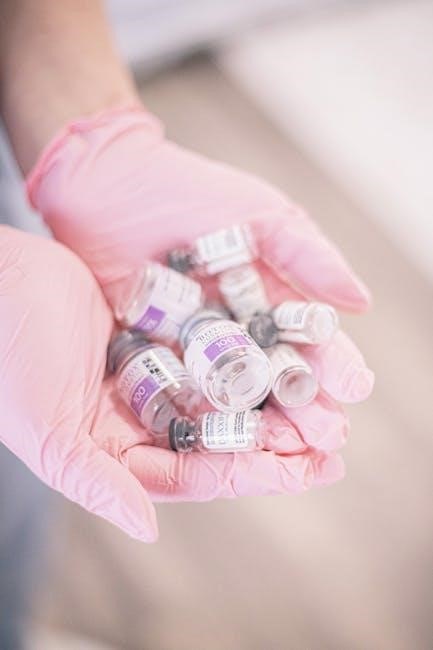
Hyaluronidase is primarily indicated for the corrective dissolution of hyaluronic acid (HA) fillers when undesirable aesthetic outcomes occur, such as overcorrection, asymmetry, or migration of the product. Critically, it’s the enzyme of choice in managing vascular occlusions caused by dermal fillers, aiming to restore blood flow and prevent tissue necrosis or vision loss.
Furthermore, hyaluronidase effectively treats granuloma formation – inflammatory nodules that can develop around filler sites – by breaking down the HA and resolving the inflammatory response. Its use extends to situations requiring rapid reduction of filler volume for revisions or to address patient dissatisfaction. A thorough understanding of these indications, alongside careful patient assessment, is paramount for safe and effective application.
Corrective Dissolution of HA Fillers
Corrective dissolution with hyaluronidase requires a meticulous approach. Initial assessment involves identifying the filler type, volume, and location. Precise dosage calculation, based on the filler volume and enzyme activity (units/mL), is crucial for controlled breakdown. Injection technique focuses on slow, linear threading within the targeted filler deposit, avoiding surrounding tissues.
Monitoring for immediate effects, such as softening or reduction of the filler, guides further injections. It’s vital to avoid over-dissolution, which can lead to an overly flattened or sunken appearance. Practitioners must be prepared to manage potential adverse events, including swelling or bruising, and educate patients about expected post-treatment effects and recovery timelines.
Management of Vascular Occlusion
Vascular occlusion represents a critical emergency in aesthetic practice, demanding immediate intervention. Prompt hyaluronidase administration is paramount to restore blood flow and prevent irreversible tissue damage, including skin necrosis and potential vision loss. A systematic review emphasizes timely HYAL use for mitigating these adverse effects.
Protocols often involve rapid injection of hyaluronidase into and around the affected area, utilizing higher concentrations and doses. Continuous monitoring of the patient’s condition, including skin perfusion and neurological function, is essential. High-dose protocols may be considered when initial doses are insufficient. Early recognition and swift action are key to minimizing morbidity and safeguarding patient wellbeing.
Treatment of Granuloma Formation
Granuloma formation, a delayed inflammatory response to hyaluronic acid fillers, requires a tailored approach utilizing hyaluronidase. While less immediately critical than vascular occlusion, granulomas can cause persistent discomfort and aesthetic concerns for patients. Hyaluronidase works by breaking down the residual hyaluronic acid triggering the inflammatory reaction.
Treatment typically involves dilute hyaluronidase injections directly into the granuloma, aiming to dissolve the filler and resolve the inflammatory nodule. Multiple sessions may be necessary, spaced several weeks apart, to achieve optimal results. Careful assessment is crucial to differentiate granulomas from other potential causes. Protocols emphasize a conservative approach, minimizing trauma to surrounding tissues and monitoring for any adverse reactions.
Hyaluronidase Formulations & Variations
Hyaluronidase isn’t a single entity; significant variations exist in available formulations, impacting clinical outcomes and necessitating careful consideration. These differences stem from sourcing – bacterial versus ovine-derived – and purification processes. Bacterial hyaluronidase generally exhibits a lower risk of allergic reaction compared to its ovine counterpart, historically associated with higher immunogenicity.
Furthermore, formulations differ in enzyme activity, measured in Units per milliliter (U/mL). Understanding this concentration is paramount for accurate dosage calculations. The presence of excipients, like phosphate buffers, also varies, potentially influencing tissue compatibility. Current guidelines advocate for practitioners to be thoroughly familiar with the specific formulation they employ, recognizing its unique characteristics and potential implications for patient safety and treatment efficacy.
Different Hyaluronidase Products Available
Several hyaluronidase products are currently available to aesthetic practitioners, each with distinct properties. Popular options include Hylenex, Vitrase, and ReZyl Resilient Hyaluronidase. Hylenex, a bacterial-derived formulation, is widely used for dissolving hyaluronic acid fillers and enhancing local anesthesia diffusion. Vitrase, also bacterial-derived, offers a similar application profile, while ReZyl Resilient boasts a unique cross-linking technology designed for prolonged activity.
Product selection should be based on factors like desired enzyme activity, patient allergy history (particularly concerning ovine products), and the specific clinical scenario. Practitioners must be aware of the varying concentrations (U/mL) and potential for differing diffusion rates among these products to ensure optimal and safe filler dissolution or fluid absorption.
Understanding Enzyme Activity (Units/mL)
Hyaluronidase potency is measured in Units per milliliter (U/mL), representing the amount of enzyme required to degrade a specific quantity of hyaluronic acid. Different formulations exhibit varying U/mL concentrations, significantly impacting clinical outcomes; Lower concentrations (e.g., 15 U/mL) are often preferred for precise, localized dissolution, minimizing the risk of over-correction. Conversely, higher concentrations (e.g., 30 U/mL or greater) may be necessary for larger volumes or more resilient fillers.
Accurate dosage calculation relies on understanding the U/mL of the chosen product and the estimated volume of hyaluronic acid filler requiring dissolution. Practitioners must carefully consider these factors to achieve predictable results and avoid unintended tissue damage or allergic reactions. Standardization remains a challenge, necessitating diligent product assessment.
Impact of Formulation on Clinical Outcomes
Hyaluronidase formulations significantly influence clinical outcomes, extending beyond simple enzyme activity (U/mL). Variations in excipients, pH levels, and manufacturing processes can affect enzyme stability, diffusion characteristics, and the potential for adverse reactions. Some formulations contain lidocaine to enhance patient comfort during injection, while others prioritize purity to minimize allergic responses.

The choice of formulation should align with the specific clinical scenario. For instance, a highly purified formulation might be preferred in patients with known sensitivities; Heterogeneity in administration protocols, including dosage and injection techniques, further complicates outcome prediction. A thorough understanding of each product’s properties is crucial for safe and effective hyaluronidase use.
Hyaluronidase Protocol: Step-by-Step Guide
A standardized protocol begins with a meticulous pre-treatment assessment, including a detailed patient history to identify allergy risks and prior filler treatments. Allergy testing, though debated, should be considered, particularly with a history of sensitivities. Accurate dosage calculation, based on the volume and concentration of the hyaluronic acid filler, is paramount, followed by careful dilution according to the manufacturer’s instructions.
Injection technique is critical; slow, linear threading is often recommended for optimal diffusion. Vigilant monitoring for adverse events, such as swelling or redness, is essential throughout the procedure and post-treatment. This systematic approach, guided by current guidelines, aims to maximize efficacy and minimize complications.
Pre-Treatment Assessment & Allergy Testing
A thorough pre-treatment assessment is foundational, demanding a detailed patient history focusing on allergies, previous filler experiences, and medical conditions. Identifying prior hypersensitivity reactions is crucial. While standardized protocols are lacking, the incidence of allergy to hyaluronidase necessitates careful consideration of allergy testing.
Skin testing, though its predictive value is debated, remains a common practice. Different types of allergic responses exist, correlating with skin test results. Practitioners must understand these nuances. Documenting all findings and discussing potential risks with the patient is essential for informed consent, ensuring a safe and effective treatment experience.
Dosage Calculation & Dilution Techniques
Accurate dosage calculation is paramount, directly influencing treatment efficacy and minimizing adverse events. Hyaluronidase is measured in units per milliliter (Units/mL), and product variations exist, demanding careful label review. Protocols exhibit considerable heterogeneity regarding dosage selection, highlighting the need for practitioner judgment.
Dilution techniques vary based on the indication and formulation. Understanding the enzyme activity is critical; higher concentrations offer faster dissolution but increase allergy risk. Precise dilution ensures controlled degradation of hyaluronic acid fillers. Meticulous documentation of the dilution ratio and total units administered is essential for patient safety and traceability.
Injection Techniques for Optimal Dissolution
Optimal dissolution relies on strategic injection techniques tailored to the filler’s depth and distribution. Linear threading, serial punctures, or bolus injections are employed, each influencing diffusion rates. Slow, controlled injections minimize trauma and facilitate even enzyme distribution. Aspirate before injecting to avoid intravascular delivery, a critical safety measure.
The injection site should closely follow the path of the original filler placement. Gentle massage post-injection can aid diffusion, but excessive manipulation should be avoided. Practitioners must be adept at recognizing and responding to resistance, adjusting injection parameters accordingly. Careful technique minimizes the risk of uneven dissolution or localized reactions.
Managing Adverse Events & Allergic Reactions
Prompt recognition and management of adverse events are paramount. Allergic reactions, ranging from mild urticaria to anaphylaxis, require immediate intervention. Pre-treatment allergy testing, including skin tests, is crucial for identifying sensitivities, though a negative test doesn’t guarantee complete safety.
Immediate treatment for allergic reactions includes discontinuing injection, administering antihistamines, and, if necessary, epinephrine. Practitioners must be prepared to manage vascular occlusions, potentially requiring high-dose hyaluronidase. Documenting all adverse events and implementing corrective measures are essential for patient safety and future protocol refinement.
Recognizing and Responding to Allergic Responses
Allergic responses to hyaluronidase can manifest variably, from localized skin reactions like hives and itching to systemic symptoms including angioedema, wheezing, and anaphylaxis. A thorough understanding of these presentations is vital for prompt intervention. Skin testing, while not foolproof, aids in identifying potential sensitivities before treatment.
Immediate responses necessitate halting the injection and administering appropriate medications – antihistamines for mild reactions, and epinephrine for severe anaphylactic events. Careful monitoring of vital signs and airway management are critical. Detailed documentation of the reaction and treatment administered is essential for future patient care and protocol adjustments.
Treatment of Skin Necrosis Following Vascular Occlusion
Prompt hyaluronidase administration is paramount when vascular occlusion leads to skin necrosis, aiming to dissolve the hyaluronic acid filler compressing the vessel and restoring blood flow. High-dose hyaluronidase protocols are often employed in these critical scenarios, requiring careful consideration of enzyme activity and potential for adverse reactions.
Beyond hyaluronidase, supportive care includes meticulous wound management, pain control, and potential hyperbaric oxygen therapy to enhance tissue oxygenation. Early recognition and aggressive intervention significantly improve outcomes, minimizing the extent of necrosis and long-term scarring. Continuous monitoring for signs of infection is also crucial throughout the healing process.

Post-Treatment Care and Monitoring
Following hyaluronidase treatment, diligent post-treatment care and monitoring are essential to assess treatment efficacy and manage potential adverse events. Patients should be instructed on recognizing signs of delayed reactions, such as inflammation or unusual skin changes, and promptly report them to their practitioner.
Regular follow-up appointments are crucial to evaluate the resolution of the initial concern and monitor for any complications. Photographic documentation aids in objectively tracking progress. Patients should also receive guidance on wound care, if applicable, and avoid strenuous activity or excessive sun exposure during the healing phase.
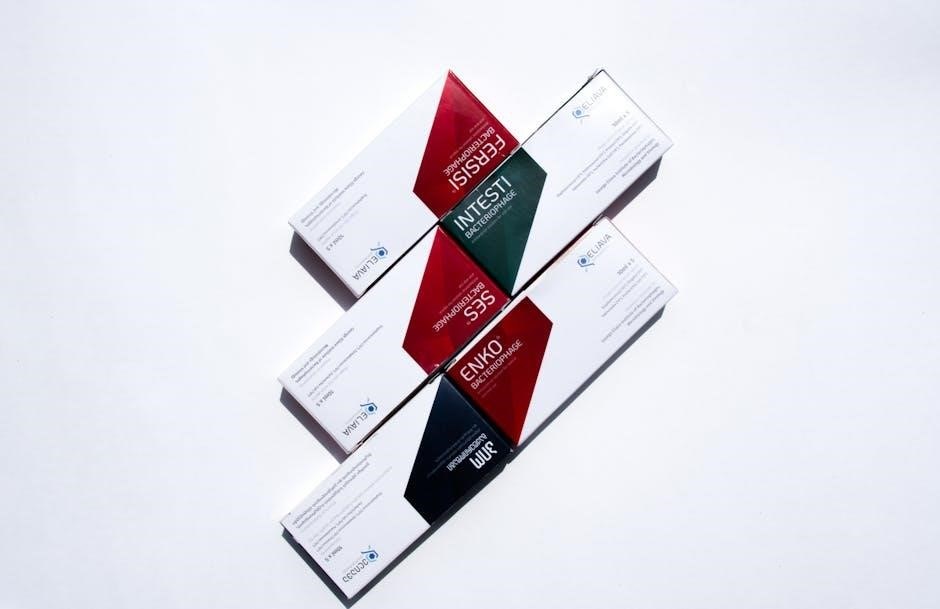
High-Dose Hyaluronidase Protocols
In scenarios involving extensive hyaluronic acid filler volume or severe vascular compromise, high-dose hyaluronidase protocols may be considered. These protocols necessitate careful evaluation of risk versus benefit, given the increased potential for adverse reactions, including allergic responses and skin necrosis.
Modified high-dose protocols often involve escalating doses administered over a defined timeframe, closely monitored for clinical improvement and signs of complications. Strict adherence to dilution guidelines and injection techniques is paramount. Practitioners must be prepared to manage potential allergic reactions and implement appropriate supportive care measures, including corticosteroids and antihistamines.
When to Consider High-Dose Therapy
High-dose hyaluronidase therapy should be reserved for complex cases where standard doses have proven insufficient to achieve adequate filler dissolution. This includes scenarios involving large volumes of hyaluronic acid, deeply placed or cross-linked fillers, and particularly, instances of vascular occlusion presenting with significant skin ischemia or threatened vision loss.
A thorough risk-benefit assessment is crucial, considering the heightened potential for adverse events. Prior attempts at correction with standard doses, detailed patient history regarding allergies, and a comprehensive understanding of the filler product used are essential prerequisites. Careful patient selection and informed consent are paramount before initiating high-dose treatment.
Modified High-Dose Protocol Details
A modified high-dose protocol typically involves administering hyaluronidase incrementally, often exceeding traditional unit concentrations, while closely monitoring for clinical response and adverse effects. Initial doses may range from 1000-2000 units, diluted in saline, injected strategically around the affected area. Subsequent doses, adjusted based on observed improvement, are administered at intervals of 30-60 minutes.
Continuous assessment of skin perfusion, neurological function, and visual acuity is vital. The total cumulative dose should be carefully documented. This approach necessitates a well-equipped setting with immediate access to emergency care, given the increased risk of allergic reactions and tissue compromise.
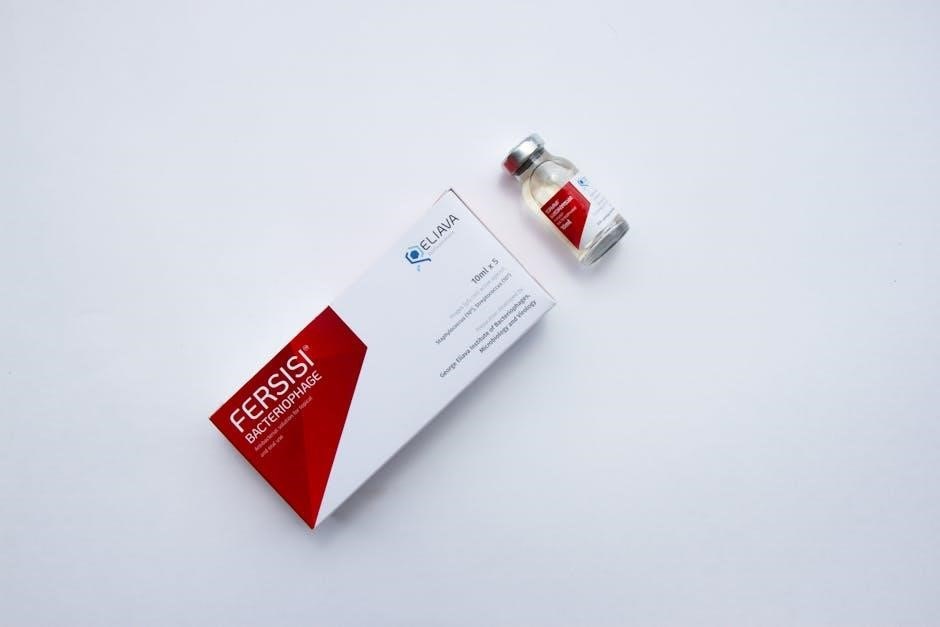
Safety Considerations with High-Dose Use
Employing high-dose hyaluronidase demands heightened vigilance due to amplified risks. Allergic reactions, ranging from mild urticaria to severe anaphylaxis, are more probable and require immediate management protocols, including epinephrine availability. Careful patient selection, including thorough allergy testing, is paramount.
Increased enzyme activity can potentially lead to unintended degradation of endogenous hyaluronic acid, causing temporary skin volume loss or edema. Monitoring for signs of skin necrosis, particularly in vascular occlusion cases, is crucial. Practitioners must possess a comprehensive understanding of resuscitation techniques and be prepared for potential complications. Detailed documentation of dosage, injection sites, and patient response is essential for risk mitigation.