M11 Autoclave Manual: A Comprehensive Guide
This manual details the M11 autoclave’s operation‚ encompassing live translation features‚ text & image translation‚ and over 200 supported languages for diverse applications.
The M11 Autoclave represents a significant advancement in sterilization technology‚ offering a versatile solution for a wide range of laboratory and industrial applications. This manual serves as a comprehensive guide to ensure safe‚ efficient‚ and reliable operation of your M11 unit. Like the Google Translate application‚ which facilitates communication across languages‚ the M11 aims to streamline your sterilization processes.
This autoclave is designed for sterilizing various materials‚ including solid and liquid waste‚ glassware‚ and instruments. Its capabilities extend to utilizing both biological and chemical indicators for quality control‚ mirroring the accuracy of live translation features. Understanding its features‚ as detailed within‚ is crucial for optimal performance. The M11’s advanced features‚ such as data logging and custom cycle programming‚ enhance its adaptability‚ similar to the customizable settings within translation apps.
This guide will cover everything from basic operation and safety precautions to advanced settings and troubleshooting‚ ensuring you can confidently utilize the M11’s full potential.
Understanding Autoclave Basics
Autoclaves utilize high-pressure saturated steam to sterilize equipment and supplies‚ a process fundamental to microbiology‚ medicine‚ and various research fields. Similar to how translation apps convert text between languages‚ autoclaves convert biological contaminants into harmless forms.
The core principle involves achieving temperatures of at least 121°C (250°F) for a specified duration‚ typically 15-20 minutes‚ under pressure. This effectively denatures proteins and destroys microorganisms‚ including bacteria‚ viruses‚ and spores. Understanding pressure‚ temperature‚ and time relationships is vital‚ much like understanding language nuances for accurate translation.
Key components include the chamber‚ where items are placed; the steam generator‚ which produces saturated steam; and the control panel‚ which manages cycle parameters. Proper loading‚ cycle selection‚ and monitoring are essential for successful sterilization‚ mirroring the careful input required for effective translation.
Safety Precautions for M11 Autoclave Operation
Prioritizing safety is paramount when operating the M11 autoclave. Always wear appropriate personal protective equipment (PPE)‚ including heat-resistant gloves and eye protection‚ to prevent burns from hot surfaces and steam‚ similar to protecting data during a translation process.
Never open the autoclave door while pressurized; ensure the pressure gauge reads zero before attempting to open. Be cautious of hot items removed from the autoclave‚ using tongs or heat-resistant gloves. Regularly inspect the door gasket for damage‚ ensuring a proper seal to prevent steam leaks.
Proper ventilation is crucial to prevent steam buildup in the surrounding area. Never autoclave flammable or explosive materials. Familiarize yourself with emergency shutdown procedures and error codes. Like a reliable translation tool‚ a well-maintained autoclave ensures safe and accurate results.
Components and Features of the M11 Autoclave
The M11 boasts a robust chamber‚ intuitive control panel‚ and efficient steam generator‚ supporting diverse sterilization needs with language versatility.
Chamber Design and Capacity
The M11 autoclave features a cylindrical chamber constructed from high-quality stainless steel‚ ensuring durability and resistance to corrosion from repeated sterilization cycles. This material choice is crucial for maintaining a sterile environment and prolonging the autoclave’s lifespan. The chamber’s design optimizes steam distribution‚ guaranteeing uniform heat penetration throughout the load‚ which is vital for effective sterilization of all items.
Regarding capacity‚ the M11 offers a generous volume suitable for a wide range of laboratory and medical applications. Specifically‚ it accommodates loads up to [Insert Specific Capacity ― e.g.‚ 28 liters]‚ allowing for the simultaneous processing of substantial quantities of instruments‚ glassware‚ or waste materials. The internal dimensions are carefully calculated to maximize usable space while still adhering to safety standards regarding load spacing and air circulation.
Furthermore‚ the chamber incorporates a robust door sealing mechanism‚ preventing steam leakage during operation and ensuring consistent pressure levels. This feature is paramount for achieving reliable sterilization results and maintaining operator safety. The chamber’s overall design prioritizes both efficiency and user convenience‚ making the M11 a versatile and dependable sterilization solution.
Control Panel Overview
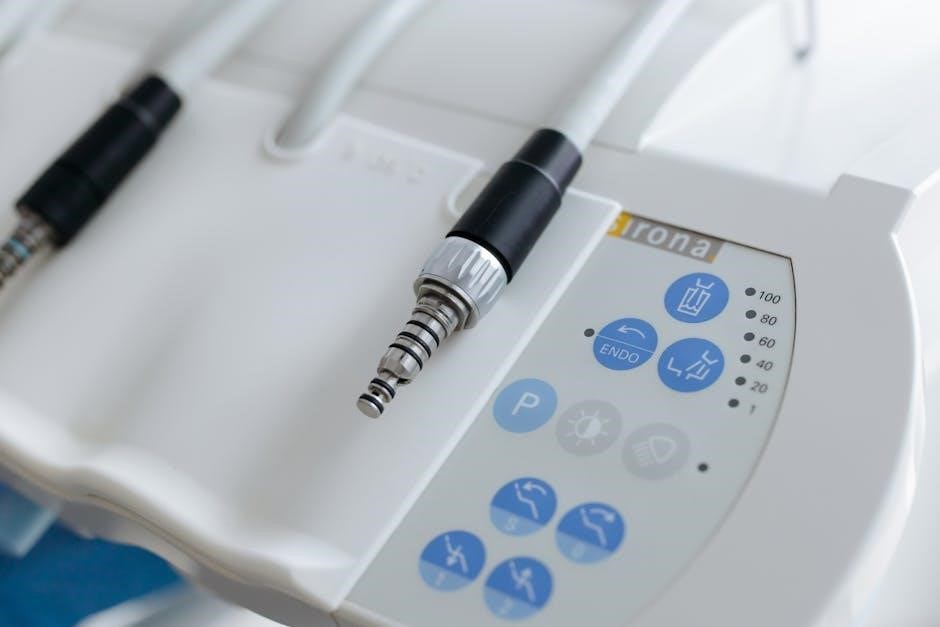
The M11 autoclave’s control panel is designed for intuitive operation‚ featuring a clear and concise interface for managing sterilization cycles. A prominent digital display showcases critical parameters such as temperature‚ pressure‚ and remaining cycle time‚ providing real-time monitoring of the process. The panel incorporates tactile buttons for selecting pre-programmed cycles or manually adjusting settings.
Key controls include power on/off‚ start/stop‚ cycle selection‚ and parameter adjustment buttons for temperature‚ pressure‚ and sterilization duration. An emergency stop button is readily accessible for immediate cycle termination in unforeseen circumstances. The interface supports multiple language options‚ enhancing usability for diverse user groups.
Additionally‚ the control panel offers functionalities for data logging and reporting‚ allowing users to track cycle history and generate performance reports. Access to these features is password-protected‚ ensuring data integrity and security. The panel’s layout is ergonomically designed for comfortable and efficient operation‚ even with gloved hands.
Steam Generator System
The M11 autoclave utilizes a highly efficient steam generator system‚ crucial for achieving reliable and consistent sterilization. This system employs advanced heating elements and a robust water reservoir to rapidly produce high-quality steam‚ essential for eliminating microorganisms. The generator features automatic water level monitoring and replenishment‚ ensuring uninterrupted operation throughout the sterilization cycle.
A pressure regulator maintains precise steam pressure within the chamber‚ optimizing sterilization effectiveness. Safety features include overheat protection and pressure relief valves‚ preventing hazardous conditions. The system is designed for quick steam generation and recovery times‚ minimizing cycle durations.
Regular descaling is recommended to prevent mineral buildup and maintain optimal performance. The steam generator’s components are constructed from corrosion-resistant materials‚ ensuring longevity and reliability. The system’s design prioritizes energy efficiency‚ reducing operational costs and environmental impact.
Operating Procedures: Step-by-Step Guide
Follow these procedures for safe and effective operation: load correctly‚ set parameters‚ start the cycle‚ and monitor progress using the control panel.
Loading the Autoclave Correctly
Proper loading is crucial for effective sterilization within the M11 autoclave. Ensure items are arranged to allow for complete steam penetration‚ avoiding overcrowding.
Pouches‚ containers‚ and instruments should not be stacked tightly‚ and materials should be spaced to facilitate steam circulation throughout the chamber. Liquids must be contained in appropriate‚ sealed containers to prevent spills and ensure even heating.

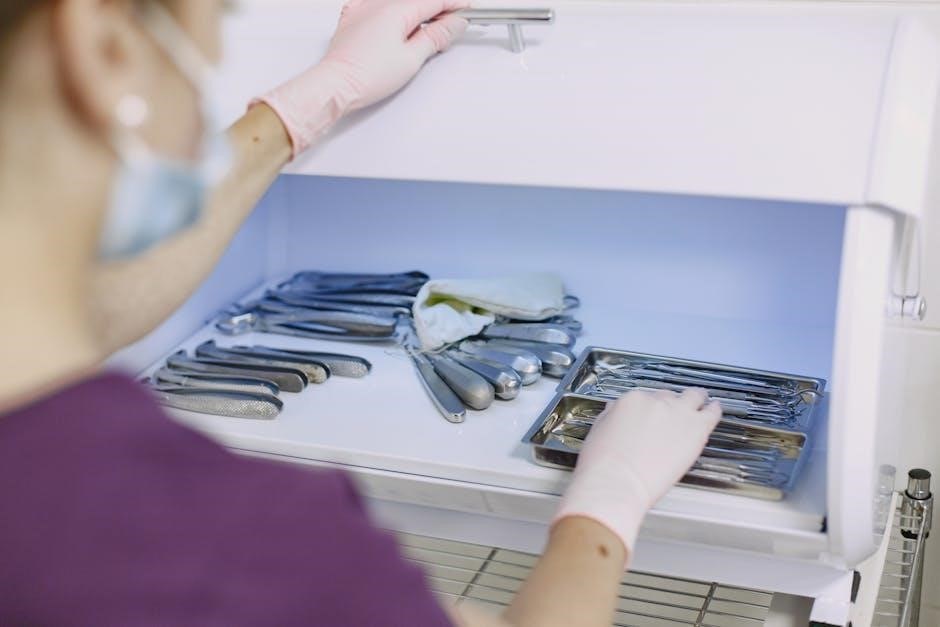
Heavy items should be placed on the bottom shelves‚ while lighter items can be positioned higher up. Avoid placing items directly against the chamber walls‚ as this can hinder steam access.
Ensure that all load items are compatible with autoclave sterilization‚ checking material specifications beforehand. Incorrectly loaded autoclaves can lead to incomplete sterilization and potential contamination risks‚ compromising the entire process.
Setting Cycle Parameters (Temperature‚ Pressure‚ Time)
Accurate parameter setting is vital for successful sterilization with the M11 autoclave. The control panel allows precise adjustments of temperature‚ pressure‚ and cycle duration.
Temperature is typically set between 121°C and 134°C‚ depending on the load type and sterilization requirements. Pressure automatically correlates with temperature; higher temperatures necessitate higher pressures. Cycle time varies based on load volume and material composition‚ ranging from 15 to 60 minutes.
Refer to established sterilization guidelines for specific material recommendations. Incorrect settings can lead to under-sterilization or damage to sensitive items. Utilize pre-programmed cycles for common applications or create custom cycles for specialized needs.
Always double-check all parameters before initiating a cycle‚ ensuring they align with the intended sterilization protocol and material compatibility.
Starting and Monitoring a Cycle
Initiating a cycle on the M11 autoclave requires confirming the chamber door is securely sealed and all parameters are correctly set. Press the ‘Start’ button to begin the sterilization process.
The control panel displays real-time data‚ including current temperature‚ pressure‚ and remaining cycle time. Continuously monitor these readings to ensure the cycle progresses as expected; Audible alarms indicate cycle completion or any detected anomalies.
Avoid opening the chamber door during operation‚ as this compromises sterilization effectiveness and poses a safety risk. The M11 features a viewing window for visual inspection‚ but rely on cycle completion signals for confirmation.
Record cycle data for quality control purposes‚ utilizing the autoclave’s data logging capabilities if available. Proper monitoring ensures consistent and reliable sterilization results.

Cycle Types and Applications
The M11 supports diverse sterilization needs‚ translating to applications for solid waste‚ liquids‚ glassware‚ and instruments‚ offering adaptable and comprehensive solutions.
Sterilization of Solid Waste
Proper solid waste sterilization using the M11 autoclave is crucial for biohazard containment and laboratory safety. Begin by placing waste within appropriately labeled‚ puncture-resistant containers designed for autoclave use. Ensure containers allow for steam penetration; tightly sealed bags are unsuitable.
Select a dedicated cycle for solid waste‚ typically employing higher temperatures (e.g.‚ 121°C or 132°C) and extended durations (30-60 minutes) to ensure complete microbial inactivation. Load the autoclave carefully‚ avoiding overfilling to maintain steam circulation.
Post-cycle‚ allow the waste to cool before handling. Verify sterilization using appropriate indicators – both chemical and biological – to confirm process efficacy. Document each sterilization cycle‚ including date‚ time‚ cycle parameters‚ and indicator results‚ for quality control and regulatory compliance.
Liquid Sterilization Procedures
Sterilizing liquids within the M11 autoclave requires specific procedures to prevent boil-over and ensure effective sterilization. Always use heat-resistant containers‚ such as borosilicate glass or polypropylene‚ filling them no more than two-thirds full to allow for expansion during heating.
Loosely cap containers to relieve pressure‚ or use vented closures specifically designed for autoclaving. Select a liquid sterilization cycle‚ typically employing 121°C for 15-30 minutes‚ depending on volume and liquid type.
After the cycle‚ allow the autoclave chamber to depressurize completely before opening. Carefully remove containers‚ as they will be hot. Verify sterilization with appropriate indicators. Document cycle details‚ including liquid type‚ volume‚ cycle parameters‚ and indicator results‚ maintaining meticulous records for quality assurance.
Specific Cycles for Different Materials (Glassware‚ Instruments)
The M11 autoclave offers pre-programmed cycles optimized for various materials. For glassware‚ a typical cycle is 121°C for 15-20 minutes‚ ensuring complete sterilization without damage. Instruments‚ particularly surgical tools‚ often require 132-134°C for 3-5 minutes‚ utilizing a rapid sterilization cycle.
Delicate instruments or those with heat-sensitive components may benefit from lower temperature‚ longer duration cycles. Porous materials‚ like laboratory textiles‚ demand extended sterilization times – typically 121°C for 30-60 minutes – to penetrate deeply and eliminate microorganisms.
Always consult material compatibility charts and follow manufacturer’s recommendations. Proper cycle selection is crucial for effective sterilization and preventing damage to valuable equipment.
Maintenance and Troubleshooting
Regular inspections‚ daily checklists‚ and addressing error codes are vital for optimal M11 autoclave performance‚ ensuring longevity and reliable sterilization processes.
Daily Maintenance Checklist
Before each use‚ visually inspect the M11 autoclave chamber for any debris or residual materials from previous cycles. Clean the chamber thoroughly with a mild detergent and ensure it is completely dry before loading.
Check the door gasket for any signs of wear‚ damage‚ or improper sealing. A compromised gasket can lead to steam leaks and ineffective sterilization. Verify the proper functioning of the control panel display and all indicator lights.
Inspect the steam generator system for any leaks or unusual noises. Ensure the water reservoir is filled with distilled or deionized water to prevent scale buildup. Log all maintenance activities in a designated maintenance logbook‚ including date‚ time‚ and any observations.
Finally‚ confirm that all safety features‚ such as the pressure relief valve and emergency stop button‚ are functioning correctly. Consistent adherence to this checklist will maximize the M11 autoclave’s lifespan and reliability.
Regular Inspections and Cleaning
Monthly‚ conduct a comprehensive inspection of the M11 autoclave’s internal components‚ focusing on the steam generator and chamber. Descale the steam generator using a commercially available descaling solution‚ following the manufacturer’s instructions carefully. Thoroughly clean the chamber‚ paying attention to corners and hard-to-reach areas.
Inspect all hoses and connections for cracks‚ leaks‚ or deterioration. Replace any damaged components immediately. Check the functionality of the data logging and reporting systems‚ ensuring accurate record-keeping. Verify the calibration of temperature and pressure sensors.
Annually‚ a qualified technician should perform a complete preventative maintenance service‚ including a thorough safety inspection and performance qualification. Maintain detailed records of all inspections and cleaning procedures‚ documenting any repairs or replacements made.
Proper regular maintenance ensures optimal performance and extends the lifespan of the M11 autoclave‚ maintaining sterilization efficacy.
Common Error Codes and Solutions
Error Code E1 indicates a temperature sensor failure; verify connections and replace if necessary. Code E2 signals a pressure sensor issue – check for leaks and recalibrate or replace the sensor. An E3 error signifies a steam generator malfunction‚ requiring inspection for scaling or heating element failure.
If Code E4 appears‚ it denotes a door seal problem; ensure proper sealing and replace if damaged. Error E5 indicates over-temperature protection activation – investigate the cause and address before restarting. Code E6 suggests a low water level; refill the reservoir.
For E7‚ a communication error exists; check connections to the control panel. Always consult the full error code list in the appendix for detailed troubleshooting steps. If issues persist‚ contact qualified service personnel.
Regularly reviewing error logs aids in preventative maintenance and ensures optimal autoclave function.
Advanced Features and Settings
The M11 offers data logging‚ custom cycle programming‚ and potential integration with LIMS‚ enabling comprehensive monitoring and streamlined laboratory information management.
Data Logging and Reporting
The M11 autoclave’s advanced data logging capabilities provide a comprehensive record of each sterilization cycle. This feature meticulously tracks critical parameters such as temperature‚ pressure‚ and cycle time‚ ensuring full traceability and adherence to quality control standards.
Stored data can be readily accessed and exported for detailed analysis and reporting purposes. This functionality is invaluable for maintaining accurate documentation‚ facilitating audits‚ and demonstrating compliance with regulatory requirements. The system supports various data formats‚ allowing seamless integration with existing laboratory information management systems (LIMS) or spreadsheet software.
Furthermore‚ the M11 can generate customizable reports summarizing cycle data‚ identifying trends‚ and highlighting potential issues. These reports can be scheduled for automatic generation‚ streamlining the reporting process and minimizing manual effort. The robust data logging and reporting features of the M11 autoclave contribute significantly to enhanced laboratory efficiency and data integrity.
Programming Custom Cycles
The M11 autoclave offers exceptional flexibility through its custom cycle programming feature. Users can define unique sterilization parameters tailored to specific load types and sterilization requirements‚ exceeding the capabilities of pre-programmed cycles. This includes precise control over temperature ramps‚ hold times‚ pressure profiles‚ and steam exposure durations.
The intuitive interface allows for easy creation‚ editing‚ and storage of custom cycles. Parameters can be adjusted with granular precision‚ ensuring optimal sterilization efficacy while minimizing potential damage to sensitive materials. Saved cycles can be readily recalled and reused‚ streamlining workflows and reducing the need for repetitive programming.
This capability is particularly valuable for laboratories working with diverse materials or requiring specialized sterilization protocols. The M11’s custom cycle programming empowers users to optimize sterilization processes‚ enhancing both efficiency and reliability.
Integration with Lab Information Management Systems (LIMS)
The M11 autoclave is designed for seamless integration with modern Laboratory Information Management Systems (LIMS)‚ enhancing data traceability and workflow automation. This connectivity allows for automatic transfer of cycle data‚ including temperature‚ pressure‚ time‚ and cycle status‚ directly into the LIMS database.
This eliminates manual data entry‚ reducing the risk of errors and improving data integrity. Integration streamlines quality control processes‚ facilitating comprehensive audit trails and compliance with regulatory requirements. Real-time monitoring of autoclave cycles within the LIMS provides valuable insights into laboratory operations.
The M11’s LIMS integration supports various communication protocols‚ ensuring compatibility with a wide range of LIMS platforms. This feature significantly enhances laboratory efficiency and data management capabilities.
Validation and Quality Control
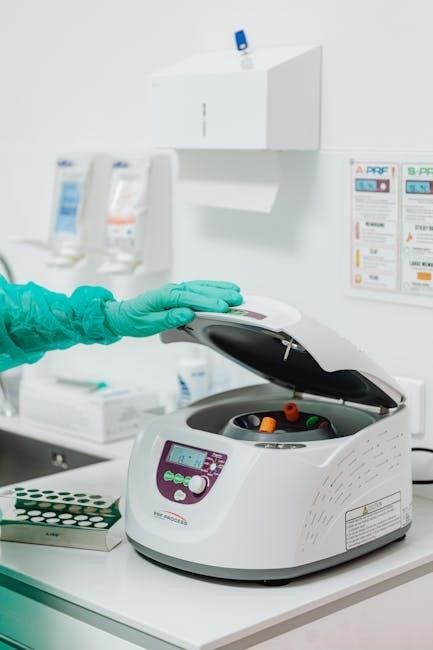
Rigorous testing‚ utilizing both biological and chemical indicators‚ alongside routine performance qualification‚ ensures the M11 autoclave consistently meets sterilization standards;
Biological Indicator Testing
Biological indicator (BI) testing is paramount for verifying the M11 autoclave’s sterilization efficacy. These indicators contain highly resistant bacterial spores – typically Geobacillus stearothermophilus – that are demonstrably killed by proper sterilization processes.

Regular BI testing‚ at least weekly or with each new batch of instruments‚ provides definitive proof of sterilization achievement. Following a sterilization cycle‚ BIs are incubated under optimal conditions for spore growth. The absence of growth confirms effective sterilization.
Detailed record-keeping of BI test results is crucial‚ including date‚ cycle number‚ BI lot number‚ and incubation results. Any BI exhibiting growth necessitates immediate investigation and corrective action‚ potentially including cycle recalibration or autoclave maintenance.
Proper BI handling and interpretation are essential; always adhere to the manufacturer’s instructions for use and incubation.
Chemical Indicator Usage
Chemical indicators (CIs) provide a visual confirmation that specific sterilization conditions have been met during an M11 autoclave cycle. Unlike biological indicators‚ CIs don’t guarantee sterility‚ but they serve as a process monitoring tool‚ alerting users to potential failures.
Various CI types exist‚ including indicator tapes‚ strips‚ and cards‚ each changing color upon exposure to specific temperature‚ steam‚ and time parameters. These indicators are placed inside the autoclave load‚ with at least one CI per pack or tray.
Proper CI selection is vital; choose indicators appropriate for the sterilization cycle being used. Always visually inspect CIs after each cycle. A failed CI – indicating insufficient exposure – requires investigation and potential reprocessing of the load.
Maintain detailed records of CI usage‚ noting any failures and corrective actions taken.
Routine Performance Qualification
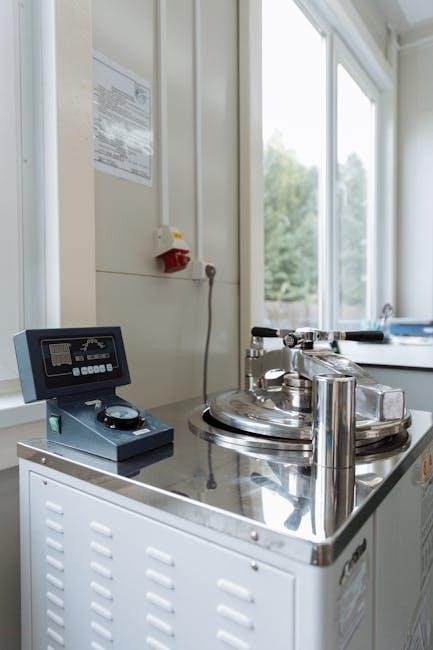
Routine Performance Qualification (RPQ) for the M11 autoclave ensures consistent and reliable sterilization performance over time. This involves scheduled testing to verify the autoclave meets pre-defined specifications. RPQ isn’t a one-time event; it’s an ongoing process integral to quality control.
Typically‚ RPQ includes regular biological indicator (BI) testing‚ alongside monitoring of critical parameters like temperature‚ pressure‚ and cycle time. Documented evidence of successful RPQ runs is essential for regulatory compliance and patient safety.
Frequency of RPQ depends on autoclave usage and risk assessment‚ but at least annually is recommended. Any deviations from established parameters necessitate investigation and corrective action before resuming sterilization processes.
Maintain detailed records of all RPQ activities‚ including dates‚ results‚ and any corrective actions taken.